Failed Dental Implant Negligence Claims
Failure is an outcome, not a legal diagnosis. The records must show why the implant failed and whether competent treatment would probably have produced a different restorative pathway.
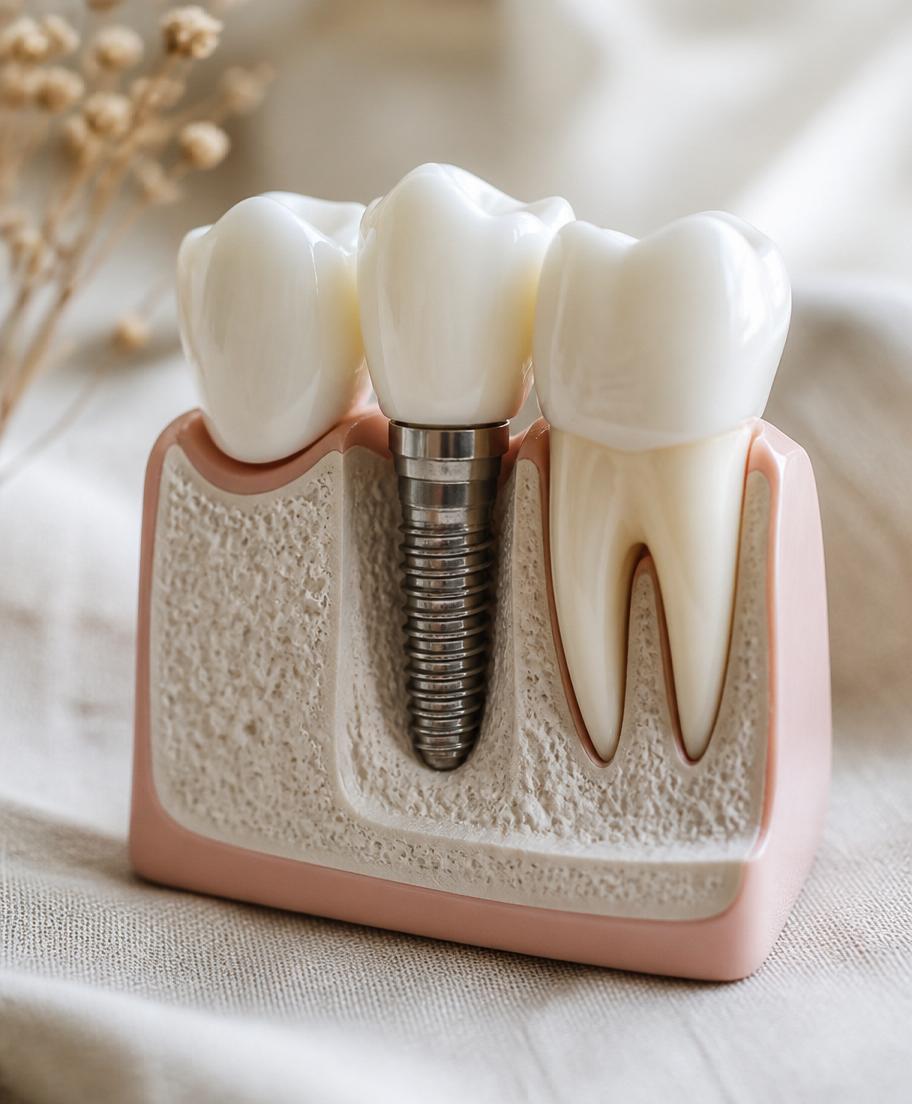
Early non-integration and late bone loss raise different questions
An early implant may remain mobile because bone never integrated with its surface. Later failure may involve peri-implantitis, overload, fracture, poor restoration design or progressive tissue loss. Symptoms include mobility, pain, bleeding, discharge, recession or a loose crown, but some bone loss is detected only at review. Identifying the mechanism is essential: a failed crown screw is not the same as loss of integration, and peri-implant disease is not simply an implant that feels uncomfortable. Correcting clinicians should document the implant, tissue, bone and prosthesis before removal where practical.
Disease control, bone, medical risk and restorability determine suitability
Planning should consider periodontal stability, smoking, diabetes and other health factors, hygiene, bone volume, tissue, bite, neighbouring structures and the proposed final restoration. Risk factors do not automatically prohibit implants, but they require informed discussion and management. A diagnostic plan must work backward from the tooth position rather than place a fixture wherever bone appears easiest. Where grafting, referral or an alternative bridge or denture offers a more predictable outcome, those choices should be explained. Consent to possible failure does not excuse placing an implant in an unsuitable site.
The fixture, crown and maintenance access must function as one system
An implant can be integrated yet poorly positioned for the final tooth, leaving compromised appearance, bite, speech or cleaning. Experts consider three-dimensional placement, depth, angulation, spacing, stability, loading and whether cement or prosthetic contours contributed to inflammation. The restoration should allow reasonable hygiene and the patient should receive maintenance instruction. Not every aesthetic compromise is negligent, particularly in deficient tissue, but departure from the agreed and achievable plan may be actionable where it causes harm or expensive correction.
The case spans assessment, surgery, laboratory work and maintenance
Request periodontal charting, medical and smoking history, models or scans, wax-up, CBCT DICOM data, consent, alternatives, implant label, graft materials, torque or stability records, surgical notes, laboratory prescriptions, crown design, baseline imaging and reviews. Later images document bone change, while removal notes may identify absent integration, infection, fracture or position. Several clinicians may have been involved, so responsibility should be traced rather than assumed. A periodontal, implant or restorative expert may be needed depending on mechanism.
Removal can leave less bone and fewer options than before treatment
Correction may involve debridement, removal, healing, grafting, temporary replacement and another implant, bridge or denture. Replacement with the same approach is not always safe. Compensation may cover reasonable additional treatment, bone loss, pain, lost earnings and future maintenance caused by negligence. It should deduct the ordinary cost and upkeep of replacing the original missing tooth. A coherent specialist plan prevents an expensive wish list from undermining an otherwise sound claim.
What makes a failed dental implant claim viable?
A failed dental implant claim requires a supported link between a departure from competent care and loss of the implant or surrounding tissue. The expert examines integration, infection, load, implant position, bone and gum health, prosthetic design and maintenance. Compensation may include removal, grafting, replacement, alternative restoration and reasonable future care where those needs were avoidably caused.
FAQs
Frequently asked questions
No. Non-integration and biological complications can occur despite reasonable care. The cause, planning, placement and response determine whether a claim exists.
Active or uncontrolled periodontal disease can materially increase risk and commonly requires stabilisation and maintenance planning before implant treatment.
Aesthetic failure may concern implant position, tissue, laboratory work, the agreed objective or unrealistic expectations. Expert assessment distinguishes them.
Potentially. Warning of recognised failure does not excuse negligent selection, planning, placement, restoration or follow-up.
Not in every case. Mobility, infection, bone loss, position and salvage prospects require clinical assessment. Obtain prompt specialist advice.
It can fund a reasonable corrective plan where negligence caused failure, but another implant must be clinically suitable and baseline replacement costs are considered.
Not sure whether what happened crosses the line? Take a private, five-minute view. in confidence.
Free · confidential · no win, no fee · no obligation
Speak with the team · 0800 0126410Continue reading
Other treatments
Dental Implants
Poorly planned or badly placed implants can cause nerve damage, sinus perforation and lasting pain.
Nerve Damage After a Dental Implant
Lower-lip or chin numbness after implant placement: how imaging, implant dimensions, positioning and urgent response affect a claim.
Root Canal Treatment
Missed canals, fractured instruments and persistent infection are common negligence themes.