Dental Consent Claims
Poor consent and poor treatment are separate allegations. Technically competent care can still be unauthorised or uninformed, but compensation depends on what the missing conversation would probably have changed.

Written / reviewed by Osman Zulfiqar, SRA-regulated Solicitor.
At a glance
What separates a poor outcome from a claim
| Not enough on its own | What supports a claim |
|---|---|
| A disappointing result or recognised complication | Care that fell below a reasonable professional standard |
| A mistake that caused no additional injury or expense | A failure that probably caused avoidable harm or financial loss |
| Concern based only on hindsight | Independent expert evidence supporting breach and causation |
Relevant options, material risks, benefits, prognosis and costs belong in the conversation
The GDC requires valid consent before treatment and says the discussion, not the signature, determines validity. Information should be tailored to what this patient wants and needs to know, including options, risks, benefits, prognosis, costs and the consequences of no treatment. Consent remains ongoing: a patient agreeing to a filling has not automatically agreed to a root canal discovered mid-procedure, and a cosmetic plan materially changed after preparation requires renewed discussion where circumstances permit. The legal materiality test considers what a reasonable person in the patient's position would regard as significant and what the clinician knew this patient would regard as significant.
Probability is important, but seriousness and personal priorities can make a rare risk material
A low-frequency risk can still matter where the consequence is permanent, the treatment is elective or the patient has expressed a relevant concern. Permanent tongue numbness may be material before high-risk wisdom-tooth surgery; damage to adjacent healthy teeth may be material before elective veneers; loss of an implant may be material where a bridge is a reasonable alternative. The clinician need not recite every theoretical possibility. The task is to identify the significant risks and reasonable alternatives for this decision and check understanding. Generic leaflets can support but not replace a personalised discussion.
A signed list of risks is evidence, not a complete defence
The form may show that a risk was presented, but the surrounding records show whether the patient had time, understood the choice and received reasonable alternatives. A form signed immediately before sedation or after irreversible preparation deserves different scrutiny from a documented consultation followed by reflection. Equally, absence of a signed form does not prove no valid discussion occurred; contemporaneous notes and patient evidence matter. Consent to a recognised risk is never consent to negligent technique. These distinctions prevent a consent claim from becoming a shortcut around an otherwise unsupported negligence allegation.
The missing information must have changed the decision and avoided the injury
A claimant generally needs to establish that proper advice would have led to refusal, delay, specialist referral or a different reasonable option, and that this would have avoided the injury. That decision is tested against contemporaneous priorities, not simply asserted after a bad outcome. Previous willingness to undergo similar treatment, urgency, alternatives, cost and statements made before the event may all be relevant. In some cases the alternative carries its own risks or would have produced the same outcome. Expert evidence addresses the clinical counterfactual while the patient's evidence explains the choice.
Consultations, leaflets, estimates and messages reconstruct the real choice
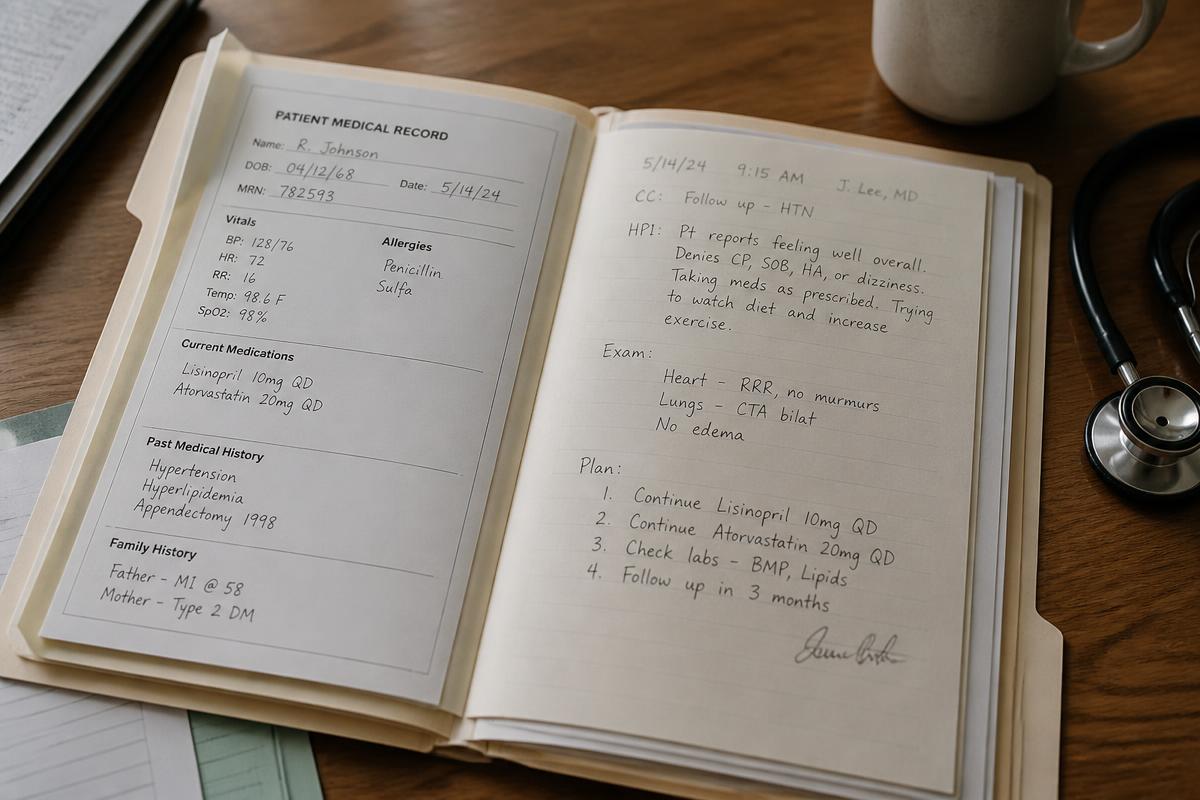
Obtain the clinical notes, consent form, treatment plans, option letters, risk leaflets, estimates, emails, marketing relied upon and records of changed plans. Note what mattered to you before treatment and any questions asked. A partner or relative present may provide factual evidence. The dental expert identifies reasonable options and risks; the court assesses what should have been disclosed and what the patient would probably have chosen. Compensation then follows the injury avoided by that alternative, not the absence of paperwork itself.
Test the form against the consent evidence
The decision table distinguishes a signature from a documented, patient-specific discussion of material risks and reasonable alternatives.
FAQs
Frequently asked questions
Potentially. The form is evidence, but valid consent depends on the information, alternatives, understanding and voluntary decision-making process.
No. It may answer part of the warning issue, but it does not excuse negligent planning, technique or post-operative management.
No. Material risks and reasonable alternatives should be discussed, tailored to the treatment and what is significant to the patient.
A patient can withdraw consent, although immediate clinical safety may affect how treatment can stop. Consent should remain valid at every stage.
Material changes generally require explanation and consent where circumstances permit. The urgency and what had already become irreversible matter.
Not automatically. A claim usually needs proof that proper information would have changed the decision and avoided a compensable injury.
Not sure whether what happened crosses the line? Take a private, five-minute view. in confidence.
Free · confidential · no win, no fee · no obligation
Speak with the team · 0800 0126410Continue reading
Other claims topics
What Is Dental Negligence?
The legal test for dental negligence in the UK, the Bolam and Bolitho standards, and why a bad outcome is not the same as a bad dentist.
Unnecessary Dental Treatment Claims
When healthy teeth are drilled, extracted or restored without reasonable need: consent, overtreatment evidence, correction and compensation.
Evidence You'll Need for a Dental Claim
The records, imaging and personal documentation that decide a dental negligence claim, and how to obtain them free of charge.