Nerve Damage After Wisdom-Tooth Removal
The presence of numbness does not decide negligence. The claim is built from the reason for surgery, the personal anatomy, the options offered and what happened when sensation did not return.

Tongue symptoms and lip-and-chin symptoms point to different nerves
The lingual nerve runs in soft tissue near the tongue side of a lower wisdom tooth and carries tongue sensation with taste fibres. The inferior alveolar nerve runs through a bony canal beneath or beside the roots and supplies the lower teeth before continuing to the lip and chin. Injury may cause numbness, tingling, burning, shooting pain, painful touch or altered taste. Mapping the exact area helps identify the structure involved. Local anaesthetic explains expected temporary numbness, but persistent or painful change after it should have resolved needs active assessment. Upper wisdom-tooth surgery presents different anatomical risks and should not be folded into this lower-nerve fact pattern.
A symptom-free wisdom tooth is not automatically a tooth that should be removed
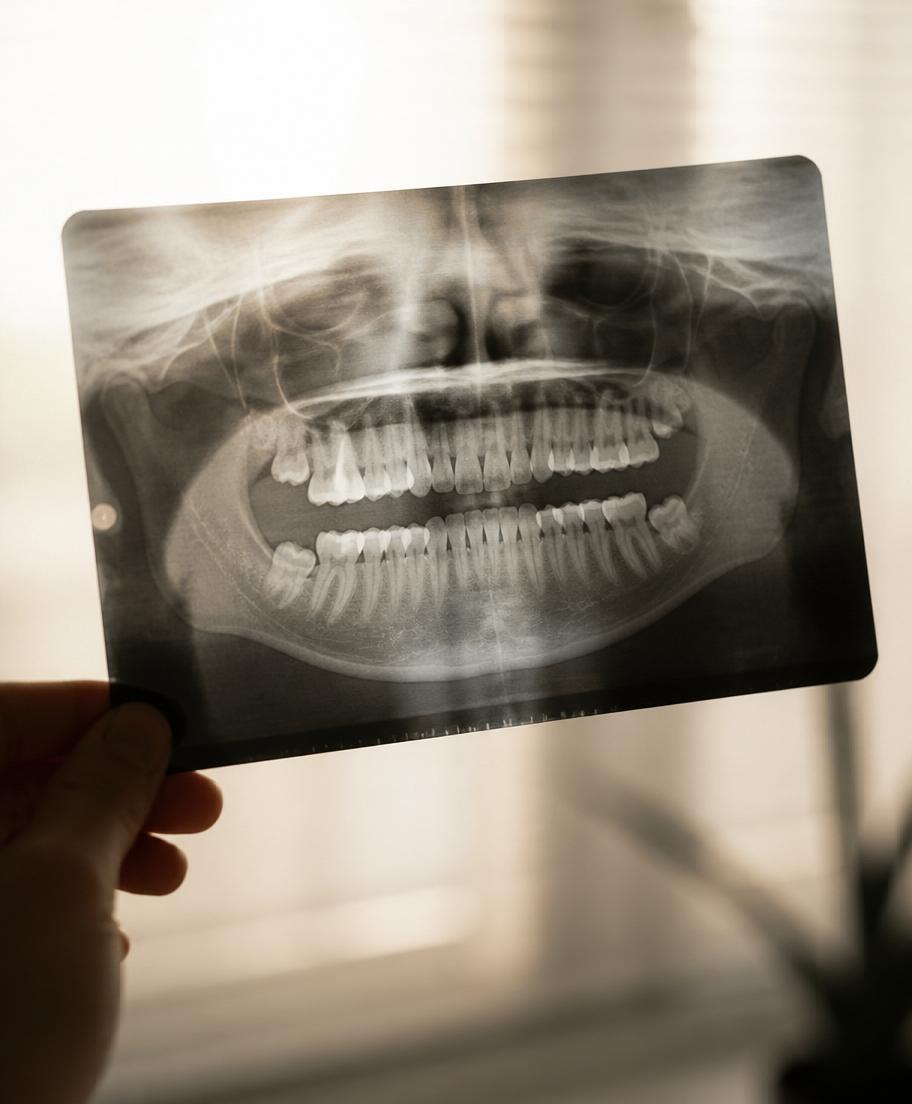
The first question is whether surgery was clinically justified. Disease, repeated infection, damage to a neighbouring tooth or another defined problem may support removal; prophylactic extraction requires proper justification. For lower teeth, a panoramic radiograph commonly assesses position and signs of proximity to the canal. Further imaging must answer a clinical question rather than be ordered routinely. Where risk is high, reasonable options can include monitoring, specialist referral, full removal or a coronectomy in suitable cases. Coronectomy removes the crown while intentionally retaining roots close to the nerve. It reduces a particular risk but has its own limitations and possible need for later treatment.
Operator skill and the response to numbness are distinct issues
An oral-surgery expert considers access, bone removal, tooth division, instrument use, protection of soft tissue and whether the operator should have stopped or sought help. A recognised injury can occur with competent technique. Afterward, the clinician should explain expected anaesthetic duration and how to seek help. Persistent change should be documented and mapped, with timely specialist advice according to mechanism and severity. Repeated reassurance without examination can be a separate failure even where the original injury was non-negligent. Clinical referral should never wait for a complaint or legal assessment.
The referral, original image and operative note reconstruct the risk decision
Obtain the referral, indication, original panoramic and CBCT data where taken, consent discussion, surgeon's assessment, operative note, anaesthetic record, post-operative advice and all messages about numbness. Later sensory maps and specialist records document diagnosis and prognosis. The extracted tooth itself is rarely required. Patient evidence should identify the first abnormal sensation, functional effects and change over time. The defendant may rely on anatomy and recognised risk; the claimant's expert must identify the specific departure from competent care and whether it probably changed the outcome.
The injury is valued by sensation, pain, permanence and function
A short period of tingling differs from permanent painful dysaesthesia or loss of taste. Compensation may include pain and loss of amenity, specialist review, medication, psychological care where proved, earnings and reasonable practical help. It does not include the ordinary recovery from an extraction that was necessary. Prognosis should be sufficiently clear before final settlement, especially where sensation is still changing.
Nerve damage after wisdom-tooth removal
Nerve damage after wisdom-tooth removal may affect tongue, taste, lower-lip or chin sensation. Nerve damage after tooth extraction is not automatically negligent: lower third molars can lie close to the lingual and inferior alveolar nerves. The claim-specific questions are whether suitable imaging identified risk, alternatives such as retention or coronectomy were considered, material risks were explained, the operation was competent and new symptoms received timely specialist attention.
FAQs
Frequently asked questions
Not automatically. It is a recognised complication. Indication, planning, alternatives, consent, technique and post-operative management all require expert assessment.
Lingual injury affects the tongue and sometimes taste. Inferior alveolar injury usually affects lower teeth, gum, lip and chin on the treated side.
It is suitable only for selected high-risk lower wisdom teeth. An expert can assess whether it was a reasonable alternative that should have been discussed in your case.
No. Imaging must be justified. The issue is whether the chosen assessment answered the clinical question and led to reasonable risk management.
Contact the treating provider promptly and request assessment. Protect numb tissue from biting and burns, and do not delay clinical advice while considering a claim.
Potentially. A form does not excuse negligent care or prove that your individual risk and reasonable alternatives were properly discussed.
Not sure whether what happened crosses the line? Take a private, five-minute view. in confidence.
Free · confidential · no win, no fee · no obligation
Speak with the team · 0800 0126410Continue reading
Other treatments
Tooth Extraction
Wrong tooth extraction, retained roots or nerve damage after an extraction? Learn when it's negligence, what your claim covers, and how to start it.
Nerve Damage After Dental Injection
Persistent tongue, lip or facial sensation after local anaesthetic: when injection-related nerve injury may support a dental claim.
Nerve Damage After a Dental Implant
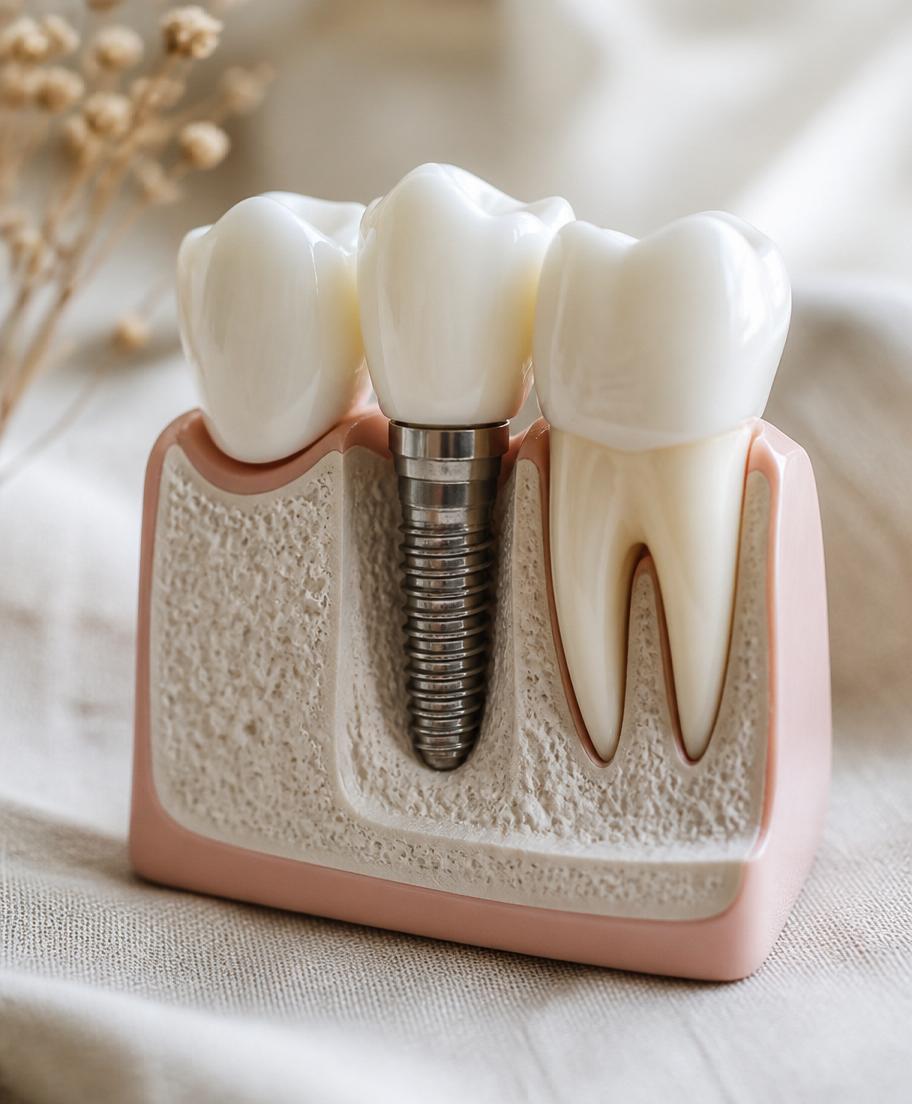
Lower-lip or chin numbness after implant placement: how imaging, implant dimensions, positioning and urgent response affect a claim.