Dental Records Request Checklist by Evidence Type
Copy this checklist into a subject access request and remove categories that clearly do not apply.
What to request and why
Dental records request checklist by evidence type
| Evidence type | Ask for | Why it matters | Preferred format |
|---|---|---|---|
| Clinical notes | Every entry, medical history and tooth chart. | Chronology, symptoms, findings and treatment. | Searchable electronic export plus attachments. |
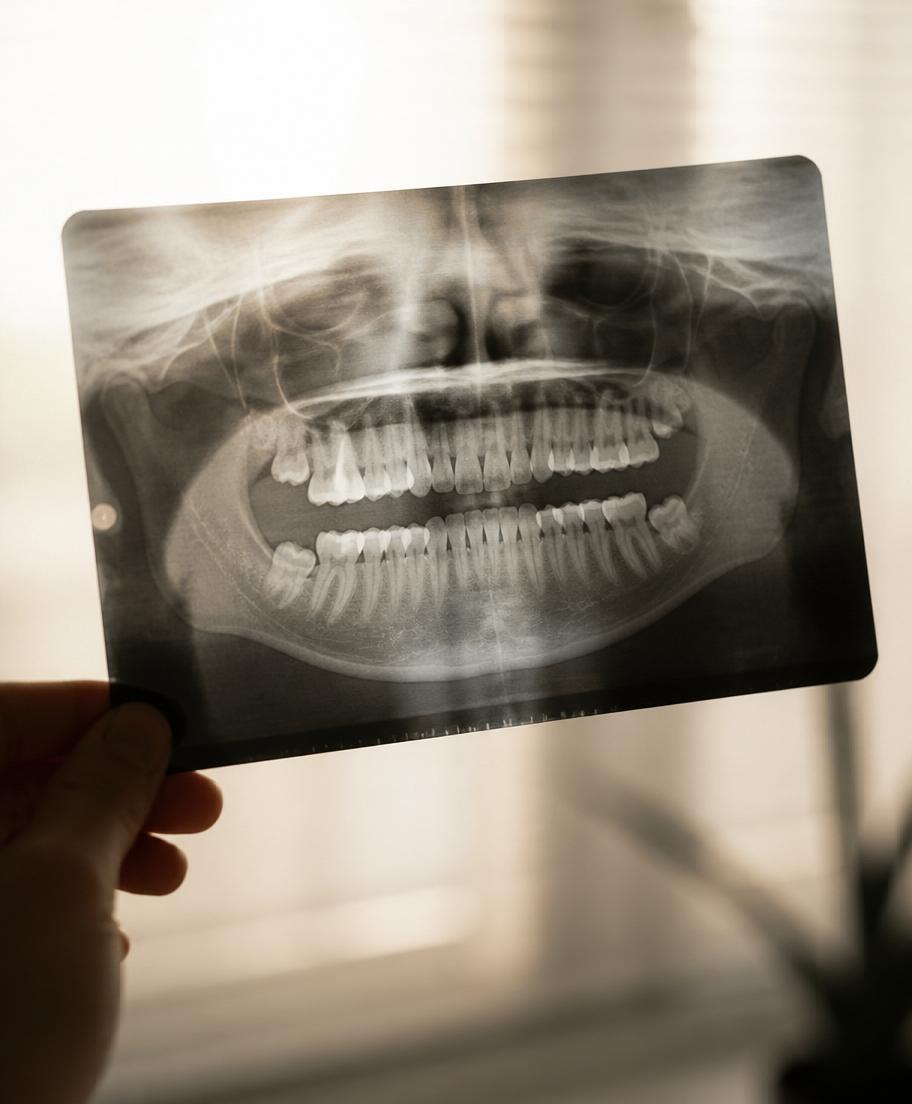
| Radiographs | All intraoral, panoramic and cephalometric images. | Disease, anatomy, planning and progression. | Original full-resolution files, not screenshots. |
| CBCT | Complete scan volume, report and viewer information. | Three-dimensional nerve, sinus, bone and implant relationships. | DICOM dataset and radiology report. |
| Photographs/models | Clinical photographs, scans, study models and mock-ups. | Starting appearance, agreed design, bite and tissue change. | Original image/scan files; model availability stated. |
| Consent/plans | Forms, options, risks, estimates and staged plans. | What was proposed, explained and accepted. | All versions with dates. |
| Referrals | Letters sent, replies, triage and appointment communications. | Urgency, information transfer and delay. | Complete correspondence chain. |
| Laboratory | Prescriptions, design instructions and statements of conformity. | Crown, bridge, veneer and denture specification. | Prescription plus laboratory communications. |
| Communications | Email, portal messages, texts and call notes. | Reported symptoms, advice and response times. | Timestamped export. |
| Complaints/incidents | Complaint, response, investigation and incident report. | Admissions, chronology, learning and remedy offered. | Complete final and draft records where held as personal data. |
| Audit trail | Creation/amendment metadata for electronic entries. | Whether and when a record changed. | System audit export with user and timestamp. |
Conclusion: A complete evidence request names clinical, image and administrative records separately and asks for usable original-quality formats.
Source note: GDC Principle 4: what forms part of the record; ICO: what to expect after a subject access request.
Identify the holder and keep proof of the request
Send the request to each practice, hospital or imaging provider that holds relevant data. Include enough identity and treatment information for a secure search, state the requested date range and keep the sent message. The ICO explains that organisations normally have one month once they have what they reasonably need to identify the requester and clarify the request; complex requests can take longer.
Check the disclosure before assuming the record never existed
Compare appointment dates with note entries, open image files, confirm that CBCT data contain the full volume and look for referenced attachments or letters that are missing. Ask one focused follow-up where the disclosure is incomplete. A missing record may be evidentially important, but it should not be alleged to have been withheld until ordinary export and format problems have been excluded.
Not sure whether what happened crosses the line? Take a private, five-minute view. in confidence.
Free · confidential · no win, no fee · no obligation
Speak with the team · 0800 0126410Continue reading
More guides

How to get hold of your dental records
Requesting notes, x-rays and referral letters under UK data protection law, and what to do if the practice resists.
Dental Complication vs Negligence Tables
Procedure-by-procedure comparison tables showing recognised dental complications, possible negligence and the evidence that separates them.

What counts as dental negligence in the UK?
The Bolam and Bolitho tests explained, and the difference between a disappointing outcome and negligent care.