Dental Complication vs Negligence Tables
Each compact table gives one procedure a distinct evidence pattern instead of repeating a generic claims test.
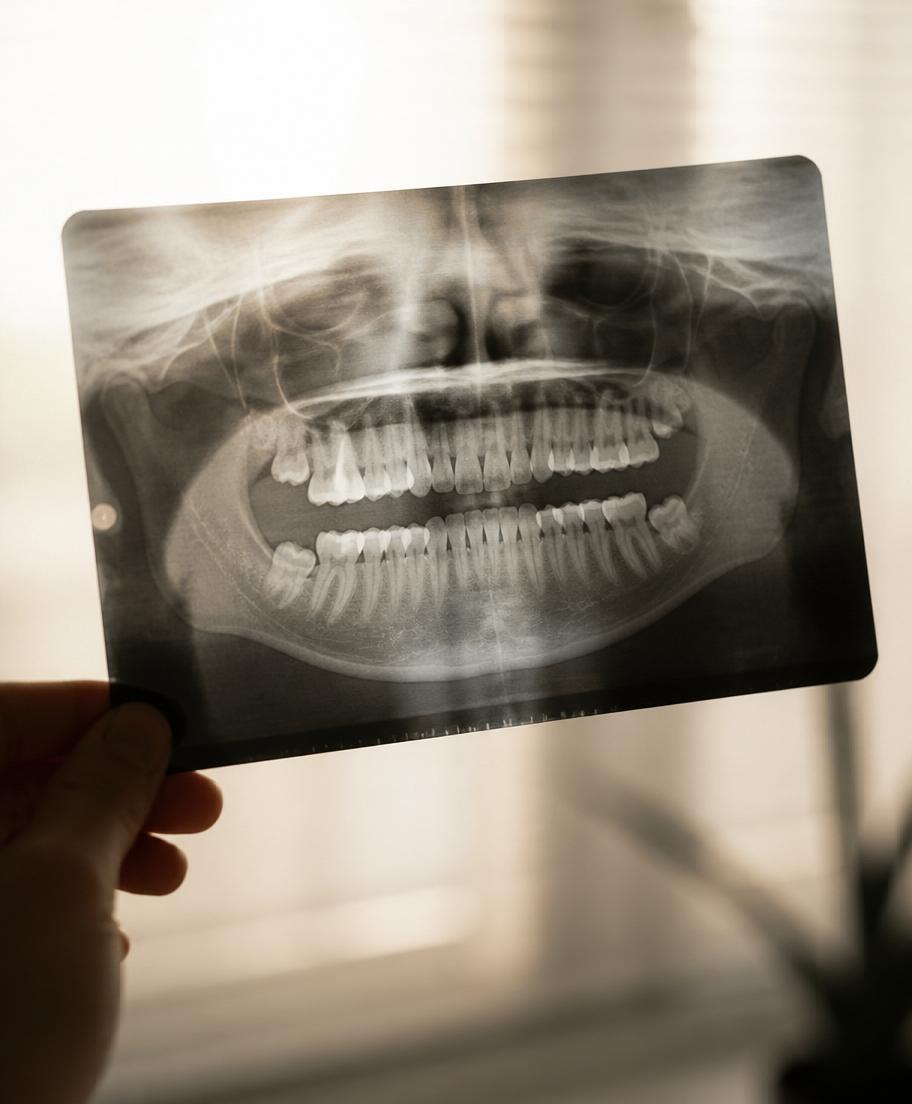
Compare the event with the contemporaneous evidence
Read across the row for the procedure involved. The examples are indicators for investigation, not findings of liability. A competent independent expert must still apply the relevant professional standard to the actual records and explain whether any breach probably changed the outcome.
Complication vs possible negligence by procedure
Dental implants: complication vs possible negligence
| Question | Recognised complication | Possible negligence | Decisive evidence |
|---|---|---|---|
| Dental implants | Failure to integrate despite reasonable assessment and placement. | Unsuitable selection, inadequate imaging, unsafe position or ignored inflammation. | CBCT or radiographs, measurements, implant plan, torque and maintenance charting. |
Conclusion: The outcome after dental implants does not decide liability; the contemporaneous plan, treatment and response do.
Source note: GDC Standards for the Dental Team; Procedure-specific primary guidance.
Root-canal treatment: complication vs possible negligence
| Question | Recognised complication | Possible negligence | Decisive evidence |
|---|---|---|---|
| Root-canal treatment | Persistent disease despite competent cleaning, shaping and sealing. | Missed anatomy, avoidable perforation, poor isolation or symptoms left uninvestigated. | Pre-, working- and post-operative radiographs, rubber-dam record and working lengths. |
Conclusion: The outcome after root-canal treatment does not decide liability; the contemporaneous plan, treatment and response do.
Source note: GDC Standards for the Dental Team.
Crowns: complication vs possible negligence
| Question | Recognised complication | Possible negligence | Decisive evidence |
|---|---|---|---|
| Crowns | Later pulp symptoms, fracture or ordinary replacement after reasonable service. | Excessive preparation, defective margins, untreated decay or damaging bite. | Pre-treatment images, preparation notes, laboratory prescription and fit checks. |
Conclusion: The outcome after crowns does not decide liability; the contemporaneous plan, treatment and response do.
Source note: GDC Standards for the Dental Team.
Bridges: complication vs possible negligence
| Question | Recognised complication | Possible negligence | Decisive evidence |
|---|---|---|---|
| Bridges | Debonding or deterioration of already compromised supporting teeth. | Unsuitable abutments, unjustified preparation or margins that promote decay. | Periodontal findings, radiographs, design, consent and condition of each abutment. |
Conclusion: The outcome after bridges does not decide liability; the contemporaneous plan, treatment and response do.
Source note: GDC Standards for the Dental Team.
Veneers: complication vs possible negligence
| Question | Recognised complication | Possible negligence | Decisive evidence |
|---|---|---|---|
| Veneers | Chipping, staining or maintenance after proportionate preparation. | Unnecessary tissue removal, unagreed result, poor bonding or missing alternatives. | Photographs, mock-up, consent discussion, preparation and laboratory records. |
Conclusion: The outcome after veneers does not decide liability; the contemporaneous plan, treatment and response do.
Source note: GDC Standards for the Dental Team; Procedure-specific primary guidance.
Tooth extraction: complication vs possible negligence
| Question | Recognised complication | Possible negligence | Decisive evidence |
|---|---|---|---|
| Tooth extraction | Retained fragment, dry socket, sinus opening or nerve injury despite competent surgery. | Wrong-site removal, excessive force, poor risk planning or delayed referral. | Referral, charting, radiographs, consent, operation note and post-operative contacts. |
Conclusion: The outcome after tooth extraction does not decide liability; the contemporaneous plan, treatment and response do.
Source note: GDC Standards for the Dental Team; Procedure-specific primary guidance.
Clear aligners: complication vs possible negligence
| Question | Recognised complication | Possible negligence | Decisive evidence |
|---|---|---|---|
| Clear aligners | Some discomfort, refinement or limited relapse despite suitable treatment. | Treatment without periodontal or skeletal assessment, unsafe movement or no monitoring. | Scans, radiographs, digital plan, reviews, refinements and retention advice. |
Conclusion: The outcome after clear aligners does not decide liability; the contemporaneous plan, treatment and response do.
Source note: GDC Standards for the Dental Team.
Fixed braces: complication vs possible negligence
| Question | Recognised complication | Possible negligence | Decisive evidence |
|---|---|---|---|
| Fixed braces | Minor root shortening, demineralisation or relapse despite reasonable monitoring. | Unsuitable treatment, excessive force, ignored disease or absent retention planning. | Baseline images, periodontal assessment, adjustment sequence and retention plan. |
Conclusion: The outcome after fixed braces does not decide liability; the contemporaneous plan, treatment and response do.
Source note: GDC Standards for the Dental Team.
Cosmetic dentistry: complication vs possible negligence
| Question | Recognised complication | Possible negligence | Decisive evidence |
|---|---|---|---|
| Cosmetic dentistry | Aesthetic limitations or maintenance that were explained before treatment. | Unjustified irreversible work, no conservative options or treatment beyond competence. | Goals, photographs, alternatives, cooling-off discussions and tooth-by-tooth plan. |
Conclusion: The outcome after cosmetic dentistry does not decide liability; the contemporaneous plan, treatment and response do.
Source note: GDC Standards for the Dental Team; Procedure-specific primary guidance.
Dental injections: complication vs possible negligence
| Question | Recognised complication | Possible negligence | Decisive evidence |
|---|---|---|---|
| Dental injections | Transient altered sensation after an otherwise competent local-anaesthetic injection. | Repeated traumatic technique or persistent deficit dismissed without assessment. | Anaesthetic, site, dose, batch, immediate symptoms and neurosensory follow-up. |
Conclusion: The outcome after dental injections does not decide liability; the contemporaneous plan, treatment and response do.
Source note: GDC Standards for the Dental Team.
Wisdom-tooth removal: complication vs possible negligence
| Question | Recognised complication | Possible negligence | Decisive evidence |
|---|---|---|---|
| Wisdom-tooth removal | Temporary lip, chin or tongue alteration where roots lie close to a nerve. | Risk not assessed, coronectomy not considered, unsafe technique or delayed response. | Panoramic image, any CBCT, risk grading, consent, operation and sensory maps. |
Conclusion: The outcome after wisdom-tooth removal does not decide liability; the contemporaneous plan, treatment and response do.
Source note: GDC Standards for the Dental Team; Procedure-specific primary guidance.
Wrong-tooth extraction: complication vs possible negligence
| Question | Recognised complication | Possible negligence | Decisive evidence |
|---|---|---|---|
| Wrong-tooth extraction | There is no recognised therapeutic reason to remove an unintended healthy tooth. | Failure to verify patient, referral, chart, imaging and intended tooth before removal. | Original referral, chart, radiographs, consent and incident report. |
Conclusion: The outcome after wrong-tooth extraction does not decide liability; the contemporaneous plan, treatment and response do.
Source note: GDC Standards for the Dental Team; Procedure-specific primary guidance.
Failed root canal: complication vs possible negligence
| Question | Recognised complication | Possible negligence | Decisive evidence |
|---|---|---|---|
| Failed root canal | Failure despite reasonable diagnosis, disinfection, obturation and review. | Technique or follow-up probably reduced the tooth’s prospects of survival. | Serial radiographs, working measurements, irrigants, obturation and referral decisions. |
Conclusion: The outcome after failed root canal does not decide liability; the contemporaneous plan, treatment and response do.
Source note: GDC Standards for the Dental Team.
Broken root-canal file: complication vs possible negligence
| Question | Recognised complication | Possible negligence | Decisive evidence |
|---|---|---|---|
| Broken root-canal file | Instrument separation during a technically reasonable procedure. | Inappropriate file use, non-disclosure or failure to plan around blocked infection. | Instrument system, canal stage, images, disclosure and endodontic referral. |
Conclusion: The outcome after broken root-canal file does not decide liability; the contemporaneous plan, treatment and response do.
Source note: GDC Standards for the Dental Team.
Failed dental implant: complication vs possible negligence
| Question | Recognised complication | Possible negligence | Decisive evidence |
|---|---|---|---|
| Failed dental implant | Biological failure despite suitable planning, placement and maintenance. | Predictable risk ignored or avoidable placement/restoration failure caused loss. | Baseline bone and gum assessment, plan, surgery, restoration and maintenance images. |
Conclusion: The outcome after failed dental implant does not decide liability; the contemporaneous plan, treatment and response do.
Source note: GDC Standards for the Dental Team.
Peri-implantitis treatment: complication vs possible negligence
| Question | Recognised complication | Possible negligence | Decisive evidence |
|---|---|---|---|
| Peri-implantitis treatment | Inflammation progressing despite appropriate detection and patient cooperation. | No baseline, inaccessible design, absent monitoring or delayed disease control. | Probing, bleeding, plaque, baseline and serial radiographs and risk-factor advice. |
Conclusion: The outcome after peri-implantitis treatment does not decide liability; the contemporaneous plan, treatment and response do.
Source note: GDC Standards for the Dental Team.
Composite bonding: complication vs possible negligence
| Question | Recognised complication | Possible negligence | Decisive evidence |
|---|---|---|---|
| Composite bonding | Chipping, staining or repair needs explained as ordinary maintenance. | Unexpected drilling, bulky contours, damaging bite or disease concealed at margins. | Before-and-after photographs, agreed design, preparation, bite and reviews. |
Conclusion: The outcome after composite bonding does not decide liability; the contemporaneous plan, treatment and response do.
Source note: GDC Standards for the Dental Team; Procedure-specific primary guidance.
Dental fillings: complication vs possible negligence
| Question | Recognised complication | Possible negligence | Decisive evidence |
|---|---|---|---|
| Dental fillings | Wear, fracture or pulp symptoms caused by the depth of original decay. | Decay left without a reasoned plan, harmful contour/bite or avoidable pulp injury. | Pre-treatment radiograph, cavity depth, material, isolation and follow-up findings. |
Conclusion: The outcome after dental fillings does not decide liability; the contemporaneous plan, treatment and response do.
Source note: GDC Standards for the Dental Team.
Dentures: complication vs possible negligence
| Question | Recognised complication | Possible negligence | Decisive evidence |
|---|---|---|---|
| Dentures | Adjustment, looseness or soreness limited by anatomy and healing. | Unsafe design, harmful bite, pressure injury ignored or suspicious ulcer not referred. | Tissue and tooth assessment, design, impressions/scans, bite and adjustment notes. |
Conclusion: The outcome after dentures does not decide liability; the contemporaneous plan, treatment and response do.
Source note: GDC Standards for the Dental Team.
Dental consent: complication vs possible negligence
| Question | Recognised complication | Possible negligence | Decisive evidence |
|---|---|---|---|
| Dental consent | A material risk occurs after it was properly explained and accepted. | Material risk, reasonable alternative or option of no treatment was not discussed. | Contemporaneous dialogue, patient priorities, alternatives and time to decide. |
Conclusion: The outcome after dental consent does not decide liability; the contemporaneous plan, treatment and response do.
Source note: GDC Standards for the Dental Team; Procedure-specific primary guidance.
Oral-cancer assessment: complication vs possible negligence
| Question | Recognised complication | Possible negligence | Decisive evidence |
|---|---|---|---|
| Oral-cancer assessment | A lesion changes after a reasonable examination and safety-net review plan. | Red flags not examined, documented, reviewed or referred with appropriate urgency. | Soft-tissue chart, photographs, risk history, safety-net date and referral trail. |
Conclusion: The outcome after oral-cancer assessment does not decide liability; the contemporaneous plan, treatment and response do.
Source note: GDC Standards for the Dental Team.
Gum-disease care: complication vs possible negligence
| Question | Recognised complication | Possible negligence | Decisive evidence |
|---|---|---|---|
| Gum-disease care | Progression despite diagnosis, treatment, maintenance and patient cooperation. | Disease not screened, charted, explained, treated or referred until teeth were lost. | BPE/full charting, bleeding, mobility, risk factors and serial bone-level images. |
Conclusion: The outcome after gum-disease care does not decide liability; the contemporaneous plan, treatment and response do.
Source note: GDC Standards for the Dental Team.
Not sure whether what happened crosses the line? Take a private, five-minute view. in confidence.
Free · confidential · no win, no fee · no obligation
Speak with the team · 0800 0126410Continue reading
More guides

Dental Nerve Distribution and Symptom Table
A source-backed table mapping tongue, taste, lower-lip, chin, teeth and gum symptoms to the lingual and inferior alveolar nerves.
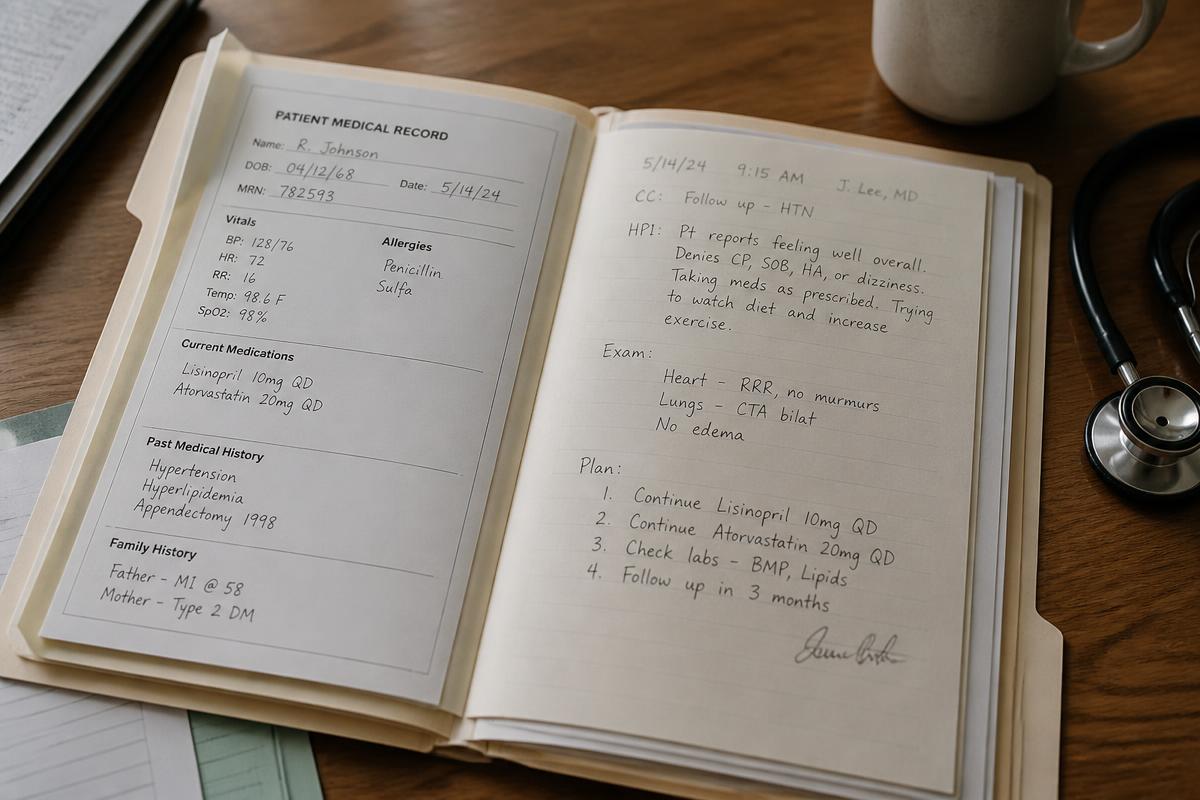
Dental Records Request Checklist by Evidence Type
A source-backed dental records checklist covering notes, radiographs, scans, consent, referrals, laboratory work, complaints and audit trails.

What counts as dental negligence in the UK?
The Bolam and Bolitho tests explained, and the difference between a disappointing outcome and negligent care.