Corrective Treatment Timelines After Dental Harm
These timelines are triage aids based on public NHS guidance, not personalised clinical instructions.
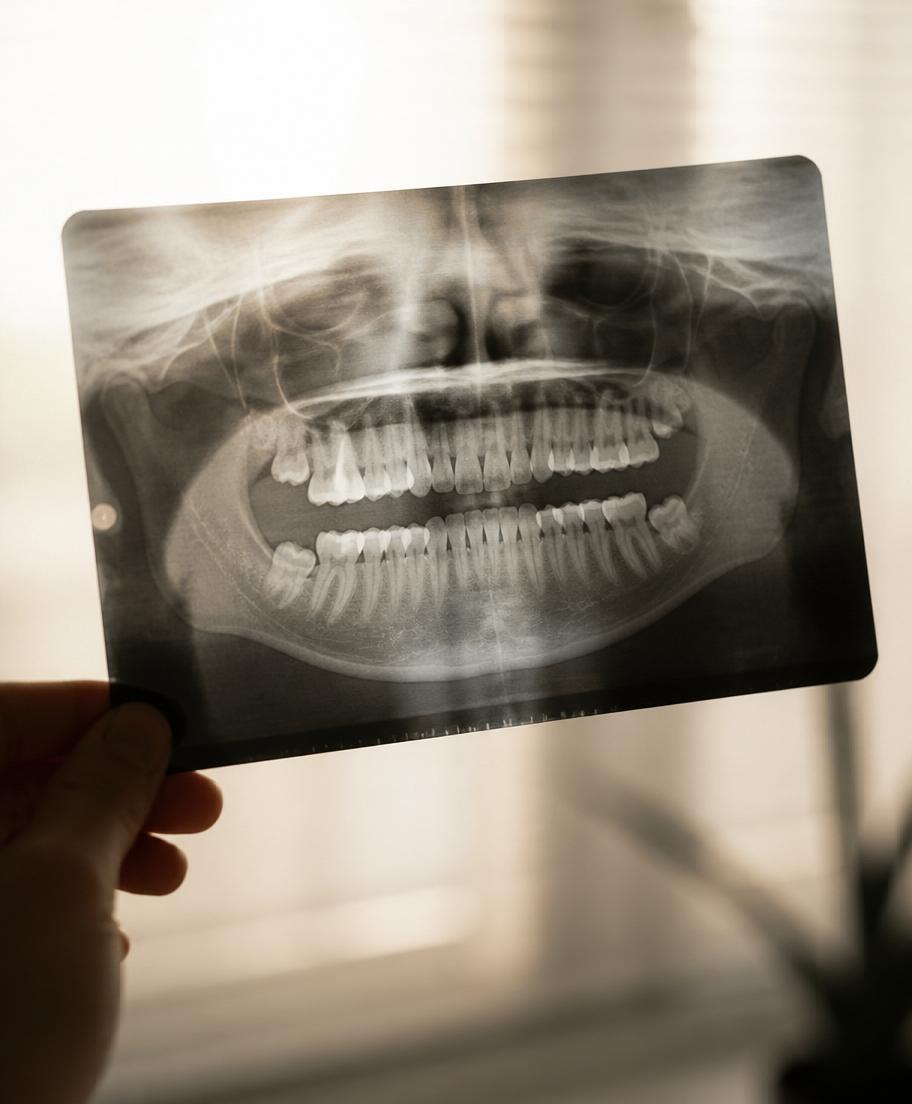
Expected recovery and warning signs
Corrective-treatment timeline after tooth extraction
| Time | Often expected | Seek review when | Evidence to preserve |
|---|---|---|---|
| Same day | Oozing, numbness and early discomfort. | Thick bleeding persists despite sustained pressure or urgent instructions say to attend. | Discharge advice, medication and photographs if safe. |
| 24–72 hours | Pain and swelling may increase before settling. | Severe or escalating pain/swelling, uncontrolled bleeding or systemic concern. | Symptom times, calls, messages and examination. |
| Days 2–5 | Gradual improvement should begin; dry socket can present with marked pain. | Throbbing pain, foul taste, fever, discharge or deterioration. | Socket findings, radiograph where indicated and treatment given. |
| One week onward | Function and swelling should continue improving, though complex surgery can take longer. | Persistent leakage to nose, worsening infection, altered bite or continuing numbness. | Follow-up notes, imaging and referrals. |
Conclusion: After extraction, the direction of recovery matters: deterioration, persistent bleeding or new functional signs justify prompt clinical review.
Source note: UCLH extraction post-operative instructions; NHS wisdom-tooth recovery guidance.
Infection needs source control, not diary-only monitoring
Corrective-treatment timeline after dental infection
| Presentation | Priority | Possible treatment pathway | Record |
|---|---|---|---|
| Localised toothache/abscess signs | Urgent dental assessment. | Diagnosis and definitive dental treatment; antibiotics only when clinically indicated. | Examination, vitality, radiograph, diagnosis and prescription. |
| Increasing swelling, fever or difficulty opening mouth | Same-day urgent triage. | Assess spread, systemic signs, drainage/source treatment and referral need. | Observations, swelling extent, trismus and escalation decision. |
| Breathing/swallowing difficulty, eye involvement or extensive mouth swelling | Emergency care. | NHS guidance directs 999/A&E for specified red flags. | Emergency and hospital records; do not delay for evidence collection. |
| Symptoms persist after treatment | Prompt reassessment. | Confirm source control, complications, compliance and need for specialist/hospital care. | Response to treatment, new imaging and referral. |
Conclusion: Dental abscesses require urgent dental treatment, and airway, swallowing, eye or severe-spread signs move the problem into emergency care.
Source note: NHS dental abscess guidance; NHS England urgent dental-care guidance.
Document and escalate persistent neurological symptoms
Corrective-treatment timeline after possible dental nerve injury
| Time | Question | Clinical action | Evidence |
|---|---|---|---|
| Immediately after treatment | Could local anaesthetic reasonably explain numbness? | Follow discharge instructions and report severe, unexpected or worsening symptoms. | Procedure, anaesthetic, onset and exact distribution. |
| After expected anaesthetic duration | Is sensation absent, altered, painful or changing? | Contact the treating service for documented assessment. | Side, mapped area, taste/function and symptom quality. |
| Early follow-up | Was a nerve-risk procedure involved and is deficit persisting? | Repeatable neurosensory examination and appropriate referral decision. | Sensory maps, images, implant/root/material position and referral date. |
| Continuing symptoms | What is the diagnosis and prognosis? | Specialist review and treatment plan; avoid repeated unstructured reassurance. | Serial tests, specialist opinion, daily impact and expenses. |
Conclusion: Persistent altered sensation should be mapped and clinically assessed early because anatomy, cause and response are easier to evaluate contemporaneously.
Source note: NHS England oral-surgery clinical standard; Newcastle Hospitals nerve information.
Not sure whether what happened crosses the line? Take a private, five-minute view. in confidence.
Free · confidential · no win, no fee · no obligation
Speak with the team · 0800 0126410Continue reading
More guides

Dental Nerve Distribution and Symptom Table
A source-backed table mapping tongue, taste, lower-lip, chin, teeth and gum symptoms to the lingual and inferior alveolar nerves.
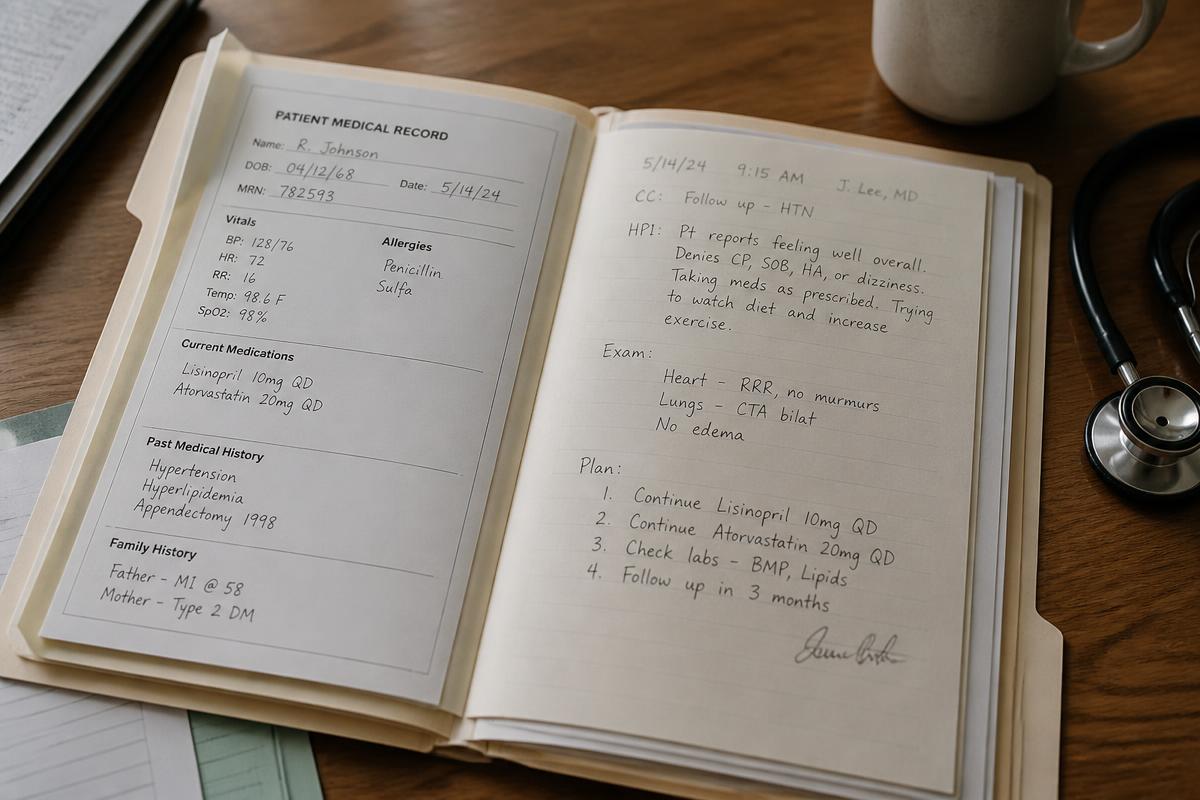
Dental Records Request Checklist by Evidence Type
A source-backed dental records checklist covering notes, radiographs, scans, consent, referrals, laboratory work, complaints and audit trails.

What counts as dental negligence in the UK?
The Bolam and Bolitho tests explained, and the difference between a disappointing outcome and negligent care.