Wrong-Tooth Extraction Compensation Claims
Breach may be obvious, but the correct restorative answer is not. Age, tooth position, the original orthodontic plan and neighbouring teeth determine what the error has actually cost.
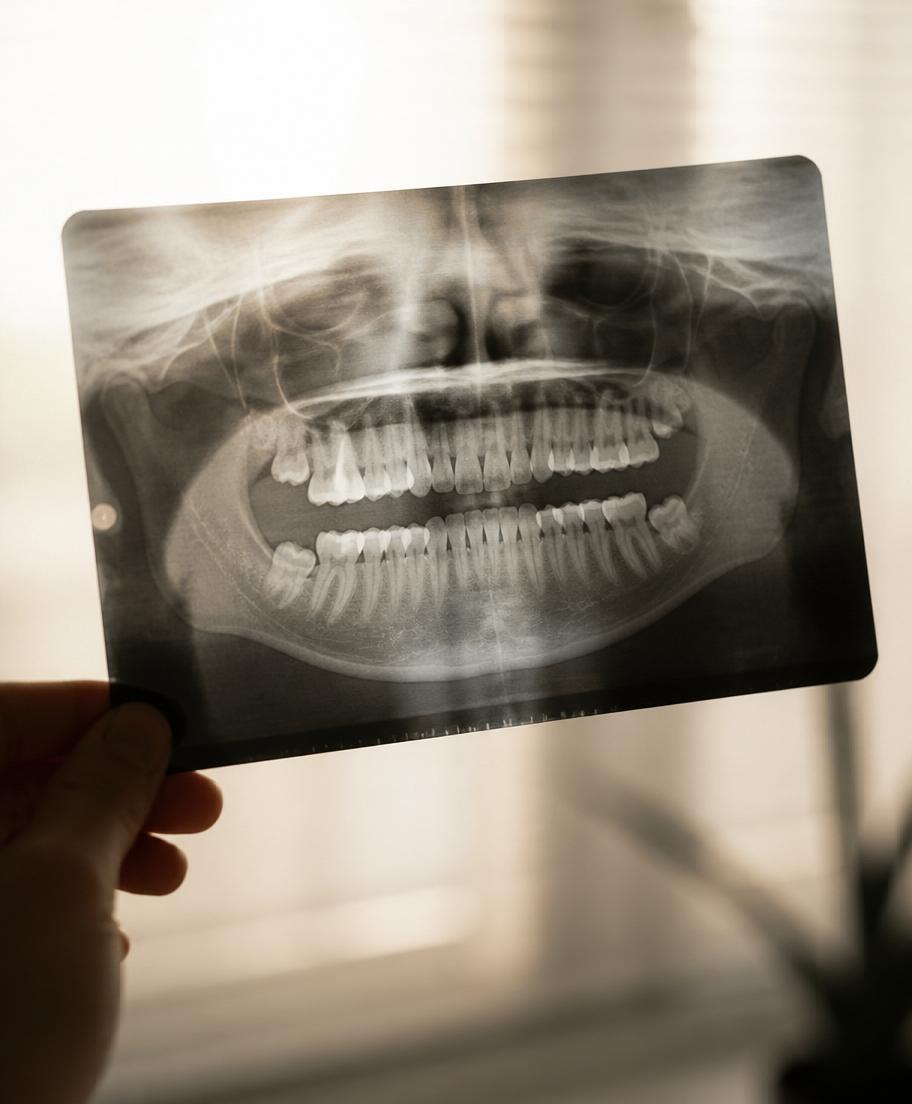
Confirm which tooth was intended, referred and actually removed
Numbering systems, missing teeth, retained primary teeth, restorations and orthodontic instructions can create identification risks, which is why verification is essential. Obtain a post-extraction examination and image where appropriate. Ask the practice to record the event, retain the referral and explain what happened. The intended diseased tooth may still require urgent care, so health should not wait for a complaint. Do not agree to immediate irreversible correction without understanding the orthodontic or restorative plan, except where urgent treatment is clinically necessary.
The referral, extraction check and communication may implicate different providers
An orthodontist may identify the wrong tooth, a general dentist may misread a correct instruction, or both records and checks may be deficient. The extracting clinician retains responsibility for verifying the intended procedure and resolving ambiguity before irreversible treatment. The legal team should not assume the party at fault from the patient's recollection alone. Referral letters, charts, radiographs, appointment notes and witness evidence establish the chain. More than one defendant may share responsibility, but the patient does not need to decide that before seeking advice.
Replacement may involve orthodontic space closure rather than an implant
The appropriate response depends on age, tooth type, bite, bone, appearance and the original treatment objective. In a young orthodontic patient, modifying mechanics or closing a space may be preferable to lifelong prosthetic replacement. Another patient may need an adhesive bridge, conventional bridge, denture, implant or autotransplant assessment. No option restores the untouched starting position exactly. A restorative or orthodontic expert should compare reasonable pathways, timing, maintenance and risks before settlement. The costliest option is not automatically the legally recoverable one.
The evidence should preserve the pre-error treatment objective
Request the original referral, full dental chart, radiographs, study models or scans, treatment plan, consent, extraction note and incident or complaint records. Later images document the gap and remaining target tooth. For orthodontic cases, obtain cephalometric records, photographs and planned mechanics. Keep estimates, invoices and records of school or work absence. The extracted tooth may be relevant if returned, but urgent care should not be delayed to preserve it. Expert evidence then addresses responsibility and a lifetime corrective plan.
Value includes the lost tooth and the consequences of leaving the correct tooth
The award may include pain, an additional extraction, delayed treatment of the diseased tooth, replacement or orthodontic correction, future maintenance, appearance, anxiety and financial losses. Age and tooth position materially affect lifetime cost. A prompt apology and free correction may resolve a service complaint but does not necessarily compensate injury and future loss. Obtain advice before accepting money as full and final settlement.
When a dentist removed the wrong tooth
A wrong tooth extraction compensation claim usually has a clearer breach issue than other dental cases, but valuation remains individual. Whether the dentist removed or pulled the wrong tooth, compensation may cover pain, treatment of the original diseased tooth, orthodontic or restorative correction, future maintenance, appearance and financial loss. Preserve the referral, charting, imaging, consent and incident records so the identification failure and corrective options can be reconstructed.
FAQs
Frequently asked questions
It is usually strong evidence of a serious breach, although responsibility between referring and extracting clinicians still requires investigation.
Only on appropriate clinical advice. The original problem may be urgent, but the error can change restorative or orthodontic planning.
Yes. A litigation friend can act, and growth and future replacement make specialist orthodontic or restorative prognosis especially important.
No. Age, bone, neighbouring teeth, bite and orthodontic options determine the reasonable corrective plan.
Possibly, but wording matters. Do not accept a payment stated to be full and final settlement without advice on future losses.
The referral and extraction checks must both be examined. Responsibility may rest with one or more providers depending on the records and reasonable verification.
Not sure whether what happened crosses the line? Take a private, five-minute view. in confidence.
Free · confidential · no win, no fee · no obligation
Speak with the team · 0800 0126410Continue reading
Other treatments
Tooth Extraction
Wrong tooth extraction, retained roots or nerve damage after an extraction? Learn when it's negligence, what your claim covers, and how to start it.
%20across%20the%20teeth%20--%3e%3cpath%20d='M580%20345%20Q822%20320%201064%20345'%20fill='none'%20stroke='%233E8A8C'%20stroke-width='5'/%3e%3c!--%20brackets%20(teal%20squares)%20on%20each%20tooth%20--%3e%3cg%20fill='%233E8A8C'%20stroke='%232E6E71'%20stroke-width='3'%3e%3crect%20x='616'%20y='330'%20width='28'%20height='28'%20rx='4'/%3e%3crect%20x='712'%20y='326'%20width='28'%20height='28'%20rx='4'/%3e%3crect%20x='808'%20y='323'%20width='28'%20height='28'%20rx='4'/%3e%3crect%20x='904'%20y='326'%20width='28'%20height='28'%20rx='4'/%3e%3crect%20x='1000'%20y='330'%20width='28'%20height='28'%20rx='4'/%3e%3c/g%3e%3c/svg%3e)
Fixed Braces
Learn when negligent braces treatment, poor monitoring or missing consent may justify a dental negligence claim for avoidable orthodontic harm.
Dental Implants
Poorly planned or badly placed implants can cause nerve damage, sinus perforation and lasting pain.