Failed Dental Filling Claims
The useful question is not simply why the restoration failed. It is what the dentist knew before treatment, whether the tooth was suitable for a filling and what competent care would probably have preserved.
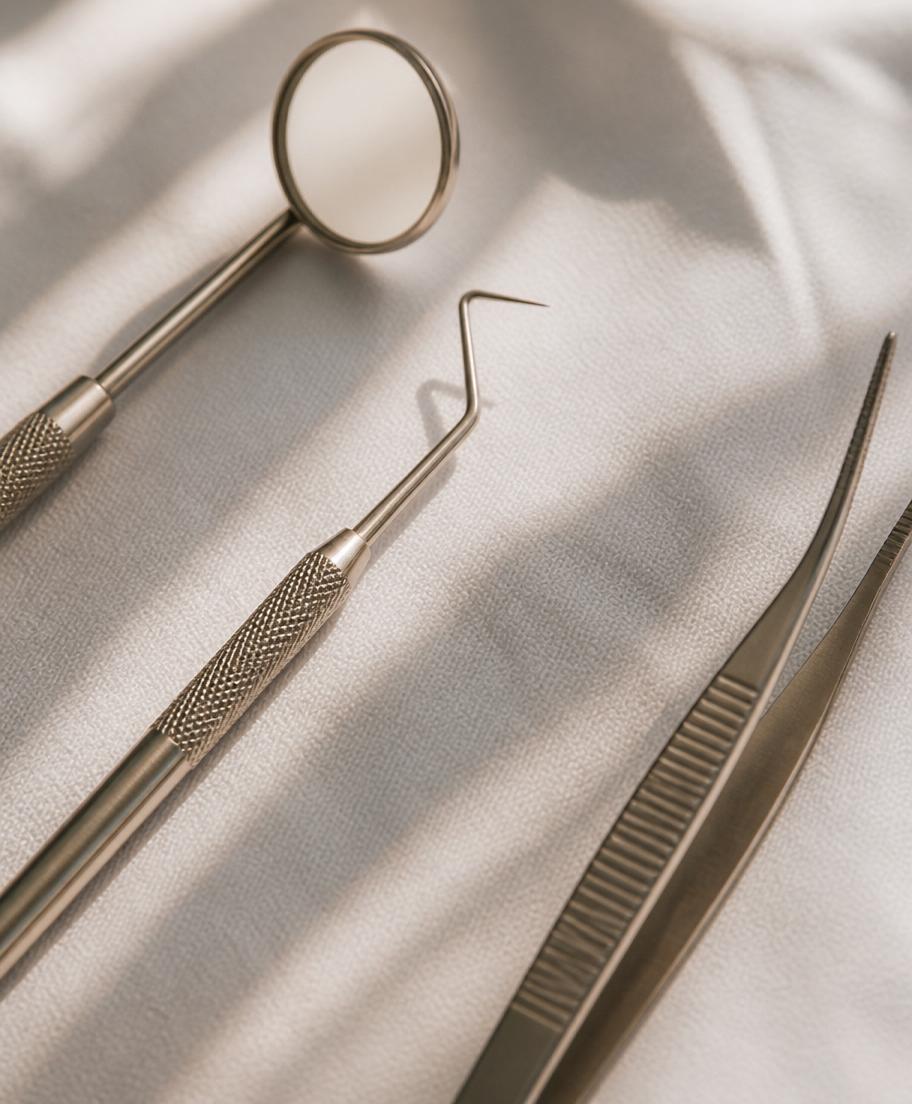
Fillings have a lifespan, and difficult teeth sometimes deteriorate
Composite, amalgam and glass-ionomer restorations can wear, fracture, stain or lose their seal despite competent work. A heavily restored tooth may later crack or develop pulp inflammation because little sound tissue remains. Negligence is a different question. It may arise where the dentist failed to diagnose the depth or extent of decay, chose a direct filling for a tooth that plainly needed protective coverage, removed excessive tissue, left caries without a defensible staged plan, placed an anatomically damaging restoration or ignored warning symptoms. The expert assesses the information available at the appointment rather than judging only from the later failure.
The diagnosis determines whether a filling was the right treatment
Records should identify the tooth, surfaces affected, symptoms, radiographic findings, pulp status and restorability. Small lesions may be monitored or restored; extensive loss may require an onlay or crown; irreversible pulpitis may require root-canal treatment; a cracked or unrestorable tooth may need extraction. There is often more than one responsible option, so a later dentist preferring a crown does not establish breach. The allegation becomes stronger when the original evidence shows that the selected restoration could not reasonably protect the tooth, or when material alternatives and their costs, risks and likely lifespan were not discussed.
Isolation, margins, contacts and bite can explain early problems
A direct restoration needs controlled preparation, appropriate material handling and a shape that protects the tooth and surrounding tissues. Moisture contamination can compromise some adhesive restorations. Open contacts can trap food; overhangs can retain plaque; a high contact can produce pain on biting; inadequate support can contribute to fracture. These findings need clinical interpretation because a later repair may alter or remove the evidence. If safe, obtain an examination, photographs and radiographs before replacement. Ask the correcting dentist to record margins, recurrent decay, cracks, pulp tests and the reason urgent intervention was required.
Compensation follows the additional treatment caused
The counterfactual may be a sound filling lasting for a reasonable period, a crown placed before the tooth fractured, or timely root-canal treatment that preserved restorability. It is rarely a promise that the tooth would remain untouched forever. The corrective plan can include replacement restoration, endodontics, crown, extraction or replacement of a lost tooth, together with future maintenance. Compensation may also address pain, appointments, earnings and expenses. The expert must subtract the treatment and cost the patient would have needed because of the original decay in any event.
Secure the record before the failed restoration is removed
Request the full notes, original and later radiographs at diagnostic quality, tooth charting, treatment plan, consent and fee estimates. Obtain the correcting clinician’s notes, photographs and any removed restoration observations. Keep a dated symptom history, particularly whether pain began immediately, only on biting or months later, and record antibiotics, emergency visits, time off work and costs. If the dispute concerns only a short-lived repair without injury, a practice complaint may be proportionate. Where the tooth has fractured, died or been lost, independent restorative evidence is more important than an immediate refund.
When a failed filling claim is more than a repair dispute
A failed filling claim may be appropriate where decay was left behind, the pulp was avoidably exposed, the restoration fractured a tooth, harmful bite pressure was ignored or recurrent disease was missed until root-canal treatment or extraction became necessary. A filling needing ordinary replacement is not itself negligence. Earlier radiographs, cavity depth, material, isolation and follow-up determine the distinction.
FAQs
Frequently asked questions
No. Remaining tooth, cavity design, bite, material, moisture control and later events all matter. Early loss may justify investigation but does not decide breach.
Only if expert evidence supports that avoidable treatment or delay caused the pulp injury, rather than the depth of the original decay.
A high restoration should normally be reassessed and adjusted. The claim depends on whether delayed correction caused additional injury such as fracture or persistent pain.
Do not delay necessary care. Where practical, obtain notes, photographs and radiographs documenting the defect before it is altered.
Overhangs, rough margins and poor contacts can retain plaque or food. The expert separates that effect from baseline periodontal health and hygiene.
Potentially, where that treatment is a reasonable consequence of the avoidable damage. The cost of treatment needed for the original disease is deducted.
Not sure whether what happened crosses the line? Take a private, five-minute view. in confidence.
Free · confidential · no win, no fee · no obligation
Speak with the team · 0800 0126410Continue reading
Other treatments
Root Canal Treatment
Missed canals, fractured instruments and persistent infection are common negligence themes.

Crowns
Badly-fitted crowns cause decay, gum disease and eventual loss of the underlying tooth.
Tooth Extraction
Wrong tooth extraction, retained roots or nerve damage after an extraction? Learn when it's negligence, what your claim covers, and how to start it.